 Facebook
 Twitter
 Linkedin
 Google +

A Green Dream About to Crash
The EU can still be a climate leader, but only if it stops treating the green transition as a symbolic target and starts treating it as a manufacturing crisis that needs an industrial strategy, not just regulation.

The EU can still be a climate leader, but only if it stops treating the green transition as a symbolic target and starts treating it as a manufacturing crisis that needs an industrial strategy, not just regulation.

With China’s ongoing opening up, it has become increasingly attractive to multinational companies.

This year’s emphasis on transforming traditional industries through advanced technology and new innovation strategies generates a healthy space to improve market access.
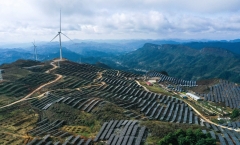
As we commemorate 50 years of China-EU diplomatic relations, this anniversary presents more than symbolic value — it offers a critical opportunity to shape a shared sustainable future.
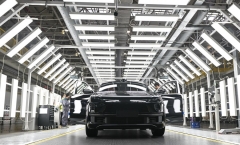
Chinese EVs represent far more than a technological success story; they are a transformative force redefining how the world moves, powers, and plans its cities.

While China-Africa engagements at different levels are well-known for tangible outcomes and deliverables, they also foster shared values through mutual learning and governance experience exchange.

The success of China’s approach, both domestically and overseas, will influence not only its own development but also the global pathway toward a more sustainable future.

Expanding cooperation with China could provide a more rapid development of U.S. capabilities than attempting to produce a domestic equivalent of Chinese products that have already been on the market.

The future of the Asia-Pacific, and indeed the stability of the global economy, depends on their ability to coexist constructively in an interconnected world.

In an era of globalization, no country can solve all problems on its own. On this point, the U.S. Government must come to a clearer?understanding.

The digital world must not become a “lawless frontier” dominated by power politics. Only through equality, cooperation and justice can true global cybersecurity be achieved.

By embedding human welfare, environmental responsibility and strategic foresight into the architecture of global cooperation, the GGI offers a roadmap for addressing structural vulnerabilities while advancing the collective good.