 Facebook
 Twitter
 Linkedin
 Google +

Why the World Can Not Wait for America
The fight for a livable planet was always a global one; now, the initiative to win that fight had finally become multipolar, led by the willing, with or without the United States.

The fight for a livable planet was always a global one; now, the initiative to win that fight had finally become multipolar, led by the willing, with or without the United States.

As of 2024, Shenzhen had designated 113 pilot near-zero carbon emissions projects in areas including public facilities, industrial parks, communities and campus spaces. Altogether, these projects reduce carbon emissions by 50 percent, or 570,000 tons, annually.

In an age of ecological crisis and spiritual fatigue, this orientation carries global significance. It reminds the world that beauty is not a luxury, but a necessity. Beauty is the condition for sustaining life in harmony.

From manufacturing equipment to exporting standards, China is powering the world with clean energy.

As China keeps achieving its environmental objectives, and becomes more ‘Beautiful,’ I’m confident that its experience in environmental governance will increasingly be a reference and source of inspiration to other countries.
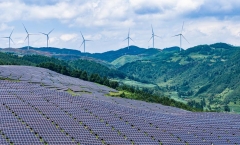
With robust clean energy production capacity and engineering construction capabilities, the country?has established a complete new energy industry chain.
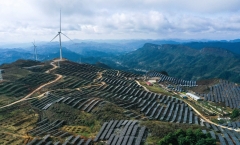
As we commemorate 50 years of China-EU diplomatic relations, this anniversary presents more than symbolic value — it offers a critical opportunity to shape a shared sustainable future.

Optimism for China’s role is well-founded, given its position at the forefront of global climate governance, its demonstrated commitment to climate issues, and its capacity to deploy technological expertise for international benefit.

From desert dunes to green forests and fertile farmland, Tongliao in Inner Mongolia offers a blueprint for ecological and economic restoration.

To deal with the triple planetary crisis of biodiversity loss, climate change and air pollution, it needs concerted action. It needs the convergence of public-private partnerships. It needs political will.

Hetian Prefecture’s development practices have proven that deserts are not obstacles to progress, but opportunities for growth.

By combining shelterbelts, water-saving technologies, pollution controls and community engagement, Xinjiang is transforming landscapes once considered beyond recovery.