 Facebook
 Twitter
 Linkedin
 Google +

A Bridge of Stories and Systems
Going forward, I think the people—not the politicians—will shape the future of U.S.-China relations.

Going forward, I think the people—not the politicians—will shape the future of U.S.-China relations.

Washington’s tariffs accelerated the competitive collapse of American agriculture without delivering compensatory benefits or a future plan. They are tactics without strategy, a disruption without a plan for recovery.

The fight for a livable planet was always a global one; now, the initiative to win that fight had finally become multipolar, led by the willing, with or without the United States.

Japan’s hope for U.S. intervention appears to be a path that leads nowhere.
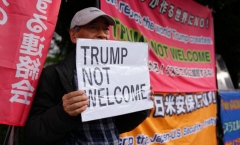
Japan joins U.S.-driven strategy for China containment.

The scramble for critical minerals is fast becoming one of the defining geopolitical dramas of our era.

The efficient supply of computing power, algorithms and data is not merely about technological independence, but also about ensuring China’s digital security.

Planning is what the key to responsible governance looks like. It’s one of the lynchpins of China’s unapparelled success in bringing wealth and wellbeing to its people, including women, those of different ethnicities and above all the poorest of the poor.
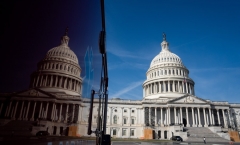
Policymakers now face the difficult task of balancing this evolving sentiment—working with China on shared global challenges such as climate change and public health, while safeguarding U.S. interests and maintaining leverage.

The future of the Asia-Pacific, and indeed the stability of the global economy, depends on their ability to coexist constructively in an interconnected world.

In an era of globalization, no country can solve all problems on its own. On this point, the U.S. Government must come to a clearer?understanding.

The digital world must not become a “lawless frontier” dominated by power politics. Only through equality, cooperation and justice can true global cybersecurity be achieved.